
Trusted Crawl Space Encapsulation & Vapor Barrier for Santa Clara Homeowners
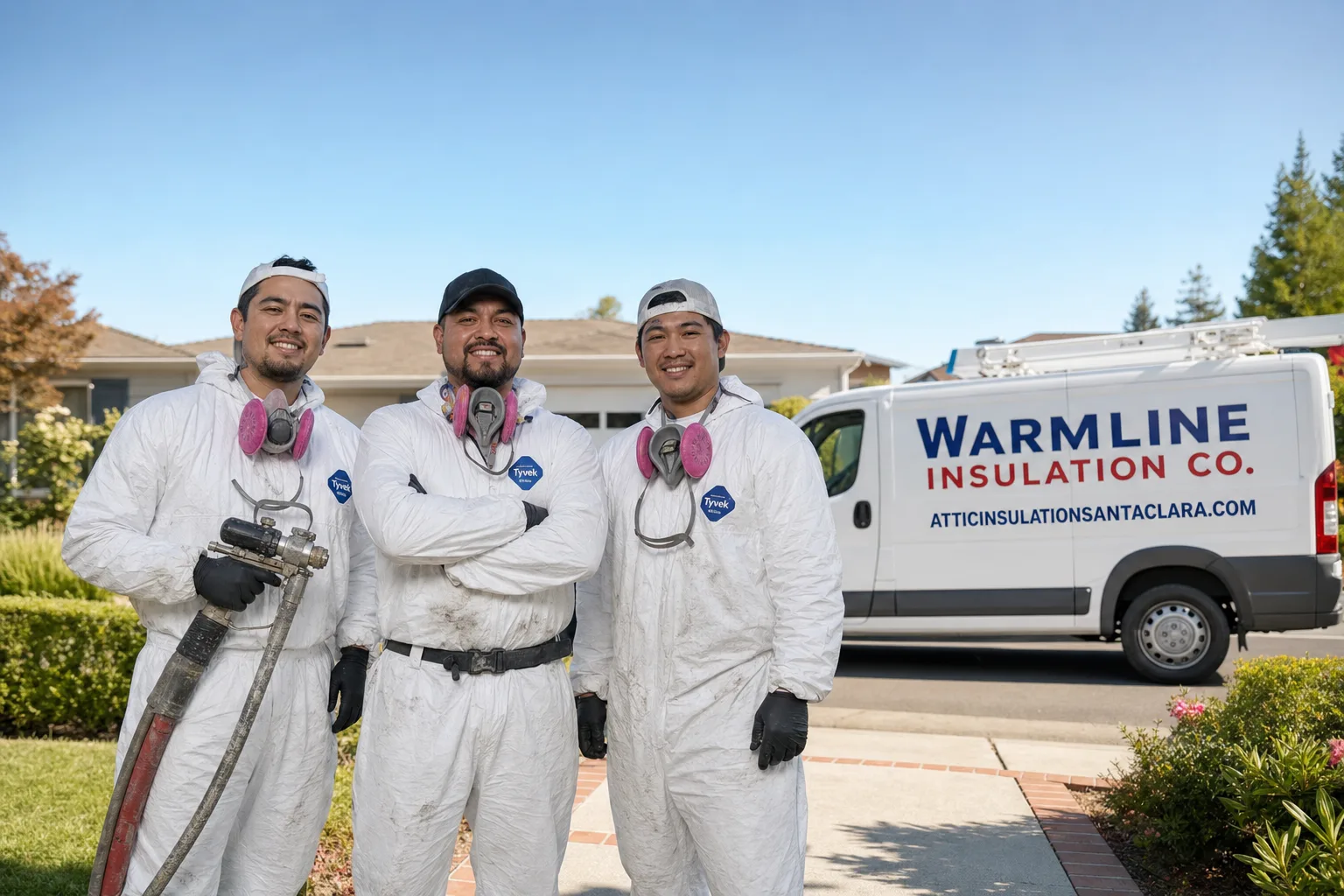
Most Santa Clara homes built before 1990 have vented crawl spaces, and in our clay-heavy soil with its winter saturation and summer drought cycles, that vented design quietly pumps moisture into your floor system all year. The result shows up as cold floors in January, a musty smell you can’t quite place, sagging insulation, and energy bills that never make sense. Crawl space encapsulation solves this by sealing the space off from ground moisture and outside air, typically dropping sub-floor humidity from 70-85% down below 55% within the first 72 hours after installation. Warmline Insulation Co. has been providing Crawl Space Encapsulation & Vapor Barrier in Santa Clara since 2011, and owner Neil Ashford still personally reviews every encapsulation plan before our crew rolls out. Most jobs are completed in a single visit. Call (669) 337-7224 and you’ll reach a live person, not a voicemail tree.
Key Takeaways:
- Encapsulation typically costs $4-$8 per square foot in Santa Clara, depending on access and existing conditions.
- A 12-mil reinforced vapor barrier plus sealed vents and a dehumidifier is the standard we recommend for Santa Clara’s clay soil.
- Most single-family homes under 2,000 square feet are done in one day.
- Every job is backed by our 90-Day Done Right Promise. If it’s not right, we make it right.
What Our Crawl Space Encapsulation & Vapor Barrier Service Includes
Encapsulation isn’t one product. It’s a system, and each piece has to be right or the whole thing underperforms. Here’s exactly what we do under your Santa Clara home.
Crawl Space Vapor Barrier
A vapor barrier is the foundation layer of any encapsulated crawl space. It’s a heavy polyethylene sheet laid across the dirt floor and run up the foundation walls, blocking the moisture that continuously evaporates out of Santa Clara’s clay soil. Without it, that moisture migrates up through your floor joists and into your living space year-round. We install 12-mil reinforced poly barrier, not the thin 6-mil stuff you can buy off a shelf at a big box store. The thicker material resists punctures from foot traffic and rodents, and we mechanically fasten it to the foundation walls rather than just draping it. All seams are overlapped a minimum of 12 inches and sealed with butyl tape, then the edges are sealed to the piers and walls with polyurethane caulk. That’s the difference between a barrier that works for three years and one that works for thirty.
Crawl Space Encapsulation
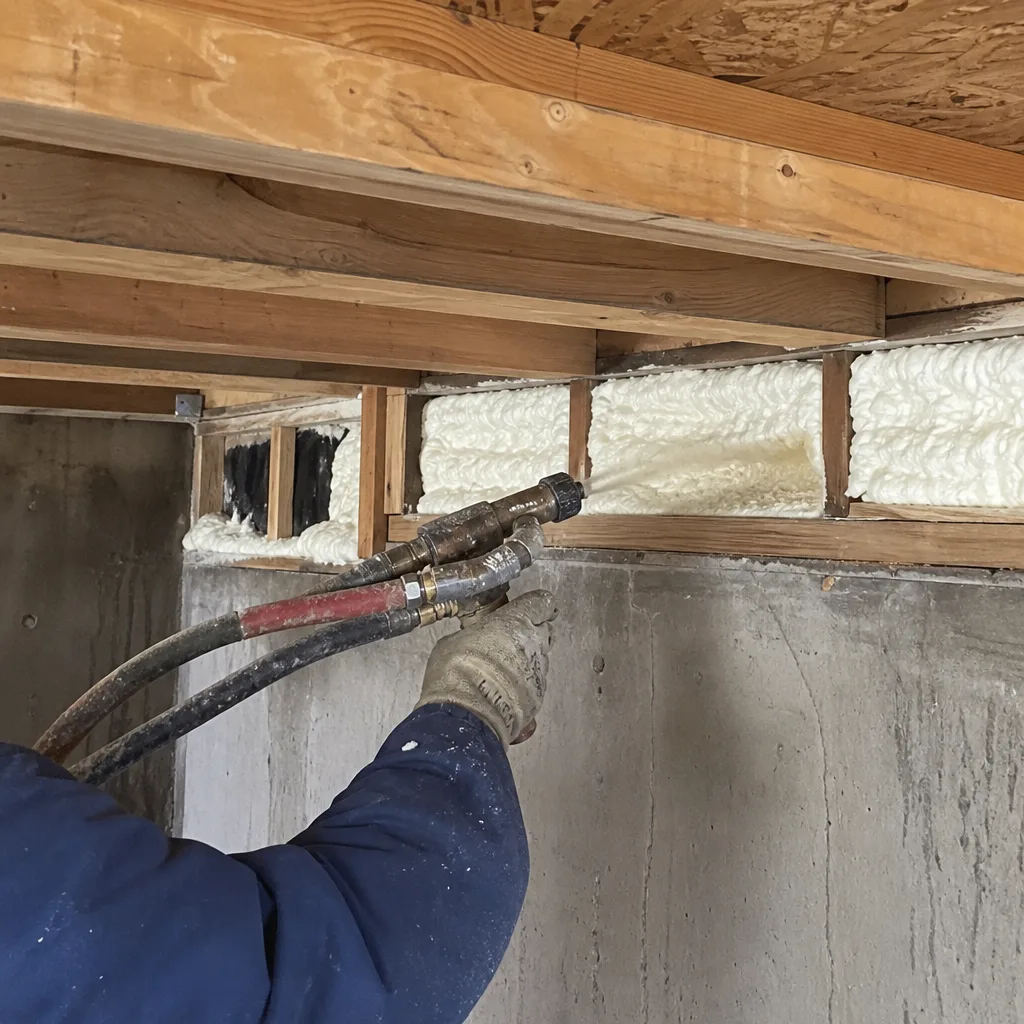
Encapsulation goes beyond the floor barrier and seals the entire volume of the crawl space. We close off the foundation vents, insulate the perimeter walls, run the vapor barrier up and over any piers, and install a dehumidifier sized to the square footage of the space. The goal is simple: turn the crawl space into a dry, semi-conditioned zone that behaves like a short basement instead of a damp cave. In Santa Clara we see a lot of vented crawl spaces that “worked” for decades only because older homes leaked enough air to mask the moisture problem. Once a homeowner air-seals the attic and tightens up the house, that ventilation dries up and the crawl space humidity climbs fast. Encapsulation becomes the necessary next step, and we often recommend it as part of a whole-home approach after a home energy audit identifies where the house is losing conditioned air.
Crawl Space Insulation
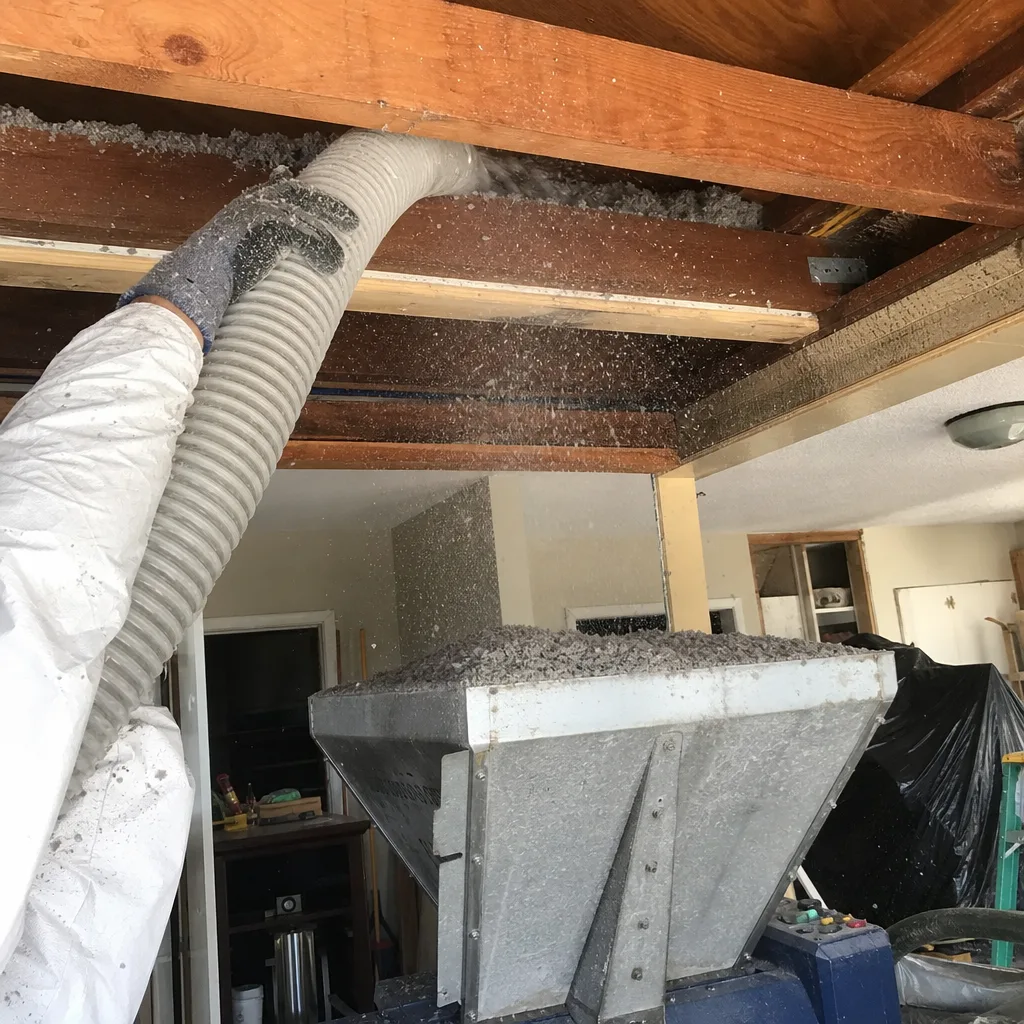
Once a crawl space is sealed, the insulation strategy changes completely. Fiberglass batts hanging between floor joists, which is what most Santa Clara homes have, act like a sponge in high humidity and eventually sag, separate, and become rodent nesting material. We remove that failed insulation and replace it with either closed-cell spray foam on the perimeter walls or rigid foam board, depending on the home’s foundation type and budget. Insulating the walls instead of the floor keeps the encapsulated space warmer in winter and cooler in summer, and it protects your floor joists from condensation. With the crawl space sealed and dehumidified, the floor above stops being a thermal boundary and starts feeling like part of the conditioned house. We’ve had dozens of Santa Clara customers tell us their hardwood floors feel noticeably warmer within a week of the job.
Crawl Space Moisture Control
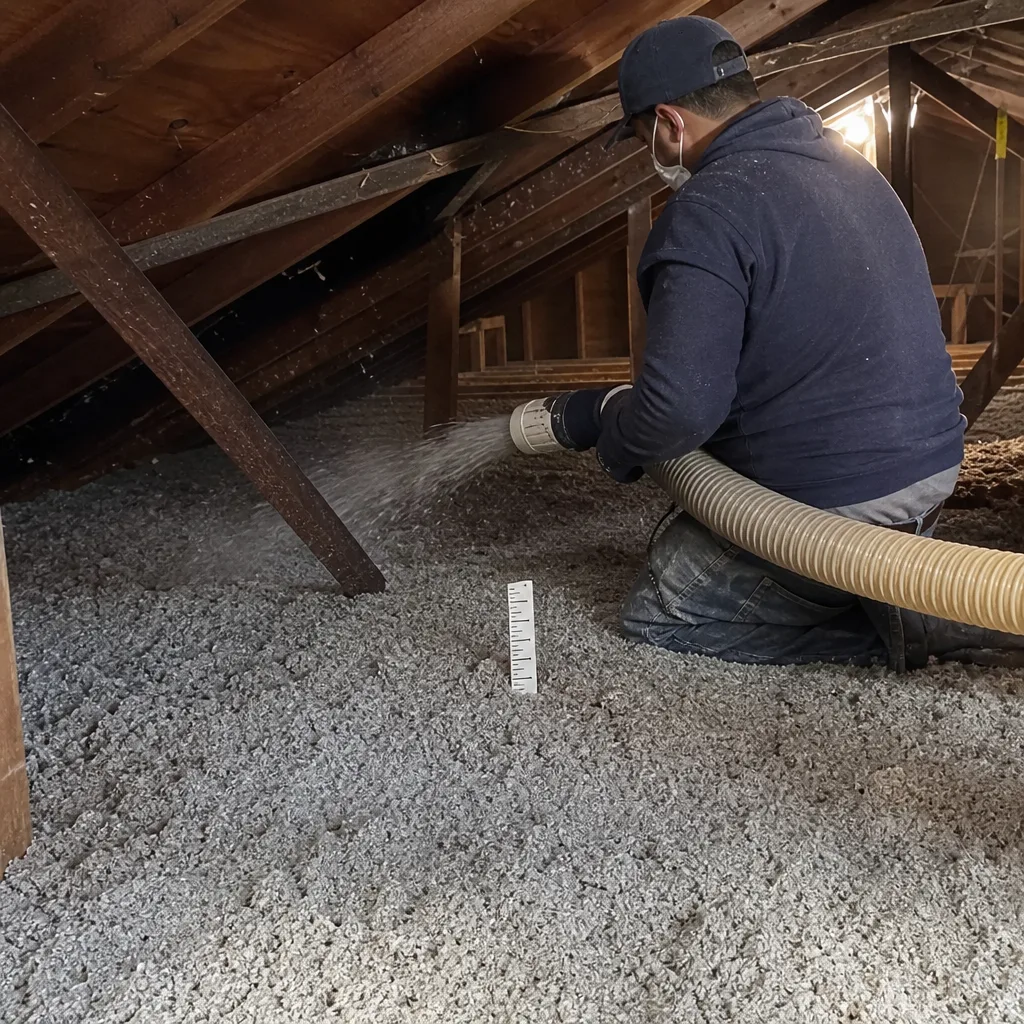
Moisture control is the ongoing job that makes encapsulation last. Even a well-sealed crawl space in Santa Clara needs a dehumidifier running during our wet winter months, because the clay soil under the barrier never fully dries out. We install commercial-grade dehumidifiers with built-in hygrometers and condensate pumps, set to maintain 50-55% relative humidity automatically. For homes with existing drainage issues, we address grading and downspout extensions before sealing anything, because no vapor barrier survives standing water underneath it. We also inspect for plumbing leaks while we’re down there. A slow pinhole leak in a supply line will quietly re-saturate the soil and undo half the benefit of encapsulation, and catching it early is part of why we always do a visual inspection of every accessible line before we seal the space.
Crawl Space Cleanout
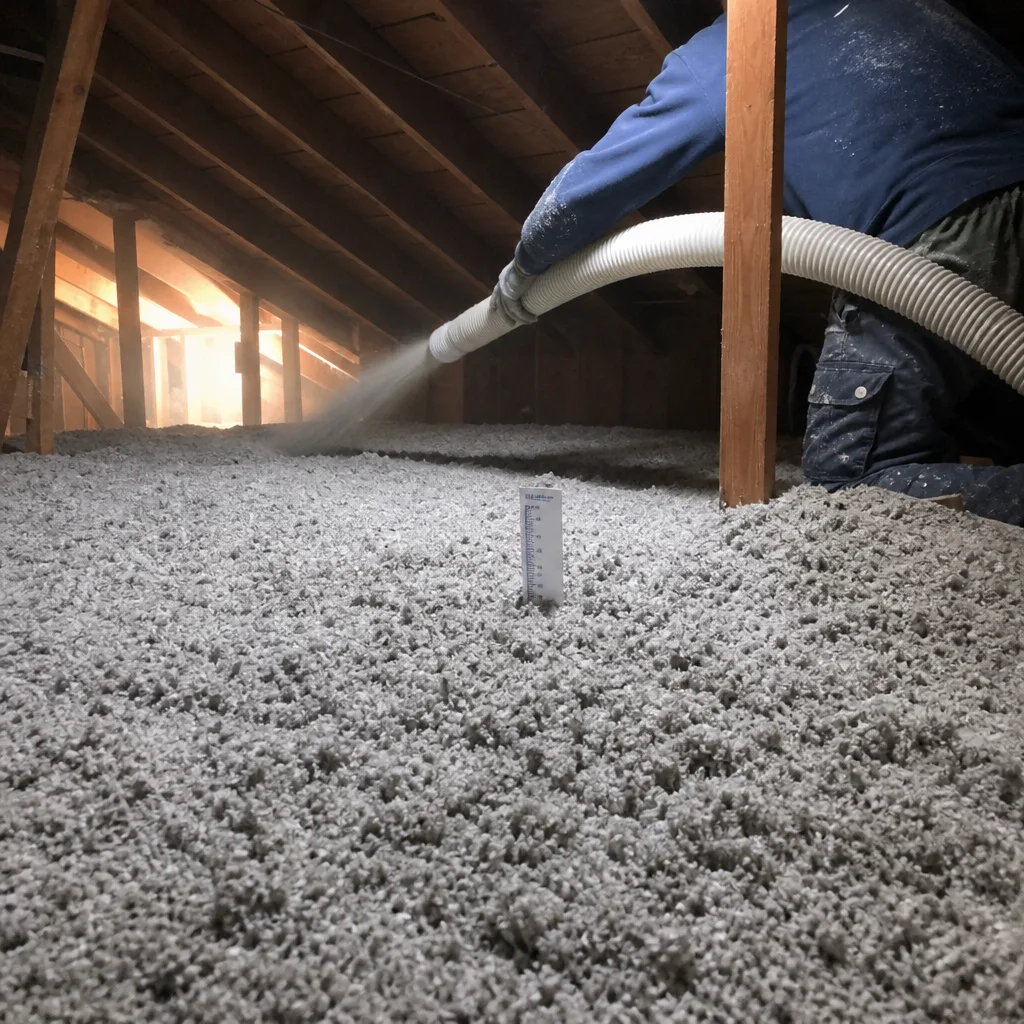
A lot of Santa Clara crawl spaces are full of construction debris, old insulation, and sometimes worse. We clear all of it before the barrier goes down. That means hauling out old fiberglass, broken vent covers, abandoned ductwork, and whatever else has accumulated under the house since it was built. If there’s rodent activity, we document the entry points and seal what we can while we’re in there, and we’ll coordinate with a pest control professional for anything beyond simple exclusion. A clean crawl space isn’t just nicer to work in. It means the vapor barrier lays flat with no punctures from underneath, the dehumidifier air flow isn’t blocked, and future service visits take half the time. We treat the cleanout as a mandatory first step, not an add-on.
What happens when you call
- 1
A real person answersNo phone trees - you reach a local pro.
- 2
You get an upfront price rangeHonest numbers before anyone is dispatched.
- 3
A background-checked tech heads outLicensed & insured, dispatched right away.
- 4
You approve before work beginsNothing starts until you say go.
Brands We Service for Crawl Space Encapsulation & Vapor Barrier
We install and service vapor barriers and encapsulation systems built around materials from CertainTeed, Demilec, and GreenFiber. CertainTeed’s membrane products are among the most puncture-resistant we’ve worked with, and their technical documentation is thorough enough that we can spec the exact material for a given soil condition without guessing. For homeowners who want closed-cell spray foam on the crawl space walls, Demilec’s open-cell and closed-cell lines give us flexibility depending on whether the priority is air sealing or maximum R-value per inch. GreenFiber’s blown-in products come into play when we’re doing a hybrid approach that combines crawl space wall insulation with floor insulation in areas where full encapsulation isn’t in the budget this year.
We’ve been installing these manufacturers’ products since 2011, and owner Neil Ashford has been on hundreds of encapsulation jobs personally. That matters when something goes sideways under a house, because we know how these materials behave in Santa Clara’s specific soil conditions. Whether you have an existing barrier we’re repairing, a different brand from a previous contractor, or no idea what’s under your house at all, we can assess it and tell you honestly what needs to change.
Signs You Need Crawl Space Encapsulation & Vapor Barrier Right Now
- Musty or “earthy” smell in the house, worse in summer. That smell is microbial growth in the crawl space, feeding on moisture that’s been trapped under your floor. Encapsulation cuts off the moisture source, and the smell fades within days of the barrier going down.
- Cold floors in winter, even with the heat running. When your crawl space is vented to outside air, the floor assembly is essentially outside in January. Santa Clara winter nights in the 30s mean your floor is radiating cold into the house all night, and your furnace works overtime trying to compensate.
- Sagging, drooping, or falling fiberglass insulation under the floor. Fiberglass batts installed between floor joists absorb moisture until they’re heavy, then they sag and peel away from the subfloor. Once that happens they’re doing almost nothing, and you’re paying to heat a crawl space instead of your living room.
- Visible condensation on ductwork, pipes, or floor joists in the crawl space. Condensation means the air down there is saturated. It rusts duct straps, corrodes copper water lines, and eventually rots the subfloor from below. This is a progressive problem that gets more expensive the longer it sits.
- Rising energy bills with no obvious cause. A damp crawl space makes your insulation perform at a fraction of its rated value, and humid air takes more energy to heat and cool than dry air. If your bills are climbing and the house hasn’t changed, the crawl space is the first place we look.
Our Crawl Space Encapsulation & Vapor Barrier Process - Step by Step
- 1
Inspection and moisture reading. We start by getting under the house and measuring actual conditions: relative humidity, wood moisture content in the joists and subfloor, standing water, vent condition, and existing insulation. We document everything with photos and show you what we found. This usually takes 30-45 minutes and there’s no charge for it when it’s part of an estimate.
- 2
Cleanout and prep. We remove all old insulation, debris, and any failed vapor barrier from previous work. We inspect the plumbing and ductwork while the space is open. If we find a leak or a rodent entry point, we tell you what we found and what it’ll take to fix it. Nothing gets sealed over a problem.
- 3
Air sealing and wall prep. We seal the rim joist area with closed-cell spray foam or rigid foam board and caulk, closing off the pathways where outside air leaks into the space. Foundation vents are sealed with rigid insulation and foam. This step is what makes the difference between a crawl space that’s “kind of drier” and one that actually behaves like a conditioned space.
- 4
Vapor barrier and insulation installation. The 12-mil reinforced barrier goes down over the entire floor, runs up the walls a minimum of 12 inches, and is mechanically fastened and sealed at every seam, pier, and penetration. Wall insulation is installed per the plan we agreed on, whether that’s spray foam or rigid board. All work is done by background-checked, uniformed Warmline technicians.
- 5
Dehumidifier install and verification. We size and install a dehumidifier matched to the cubic footage of your crawl space, set the target humidity to 50-55%, and route the condensate drain properly. Before we leave we take a final humidity reading and walk you through what we did. If anything isn’t right within 90 days, our Done Right Promise means we come back and fix it. That’s the whole point.
How Much Does Crawl Space Encapsulation & Vapor Barrier Cost in Santa Clara?
A straightforward vapor barrier install in Santa Clara, meaning a clean crawl space with decent access and no major prep work, typically runs $1,500 to $3,500 depending on square footage. Full encapsulation, which includes sealing the vents, insulating the walls, and adding a dehumidifier, usually lands between $4,500 and $12,000 for a home under 2,500 square feet. Crawl space insulation alone, done right after the space is dry, ranges from $1.50 to $4.00 per square foot depending on whether you choose rigid foam or spray foam. These are real numbers from jobs we’ve done in Santa Clara, Newark, and the surrounding South Bay, not national averages pulled from a website.
What moves the price is access and condition. A crawl space with 4 feet of clearance and a flat dirt floor is fast work. A 2-foot crawl with tight joist spacing, old plumbing in the way, and ten years of rodent debris takes longer and costs more. The single biggest factor after square footage is whether the space needs a full cleanout and repairs before any barrier goes down. We give you a fixed quote after the inspection, not a range that grows later, and our pricing is upfront with no surprises. That quote includes labor, material, haul-away, and the dehumidifier if your plan calls for one. We also honor three standing offers on every job: $50 off any repair over $250, an $89 Seasonal Tune-Up for existing encapsulated crawl spaces, and a permanent 5% Senior & Veteran discount. Call (669) 337-7224 and we’ll walk you through what your specific home needs. Estimates are always free.
Crawl Space Encapsulation & Vapor Barrier Near Santa Clara - Our Service Area
Warmline Insulation Co. serves Santa Clara and the surrounding South Bay communities, including Cupertino, Campbell, Milpitas, Mountain View, Los Altos, Saratoga, Monte Sereno, Los Gatos, and the East Foothills. Most encapsulation jobs in Santa Clara proper are scheduled within three to five business days of your estimate visit, and we can often get to emergency moisture situations faster. If you’re in an older neighborhood like the Old Quad or along the Stevens Creek corridor, we’re familiar with the crawl space conditions specific to those homes and can usually tell you what to expect before we even get under the house.
Serving Santa Clara, CA - Our Local Coverage Area
We’re based in the Santa Clara area and know this community well. Use the map below to see our service coverage - if you’re nearby, we can almost certainly help.
Frequently Asked Questions - Crawl Space Encapsulation & Vapor Barrier in Santa Clara
Crawl space encapsulation is the process of sealing your crawl space off from outside air and ground moisture by installing a heavy vapor barrier over the dirt floor, sealing foundation vents, insulating the perimeter walls, and running a dehumidifier. It converts a damp, vented space into a dry, semi-conditioned zone under your home. The result is lower indoor humidity, warmer floors in winter, and dramatically reduced risk of mold and rot in your floor framing.
Most single-story Santa Clara homes with crawl spaces under 2,000 square feet are fully encapsulated in one day. Larger homes, or spaces that need extensive cleanout or structural repair, can take two days. Because we send a full crew and complete most jobs in a single visit, you won’t be coordinating multiple appointments or waiting weeks for follow-up work.
Crawl Space Encapsulation & Vapor Barrier pricing in Santa Clara typically runs between $4,500 and $12,000 for full encapsulation depending on the size of your crawl space, its access, and its current condition. A vapor barrier alone runs $1,500 to $3,500 on most homes. Every quote is fixed-price after inspection, and we honor a $50 discount on any repair over $250, an $89 Seasonal Tune-Up for maintained crawl spaces, and a 5% Senior & Veteran discount on every job. Call (669) 337-7224 for a precise number on your home.
Yes, we regularly inspect, repair, and upgrade encapsulation systems installed by other companies across Santa Clara and the South Bay. Common issues we find are torn barriers, failed dehumidifiers, unsealed vents that were skipped, and wall insulation that’s fallen away from the foundation. We’ll tell you honestly what’s salvageable and what needs redoing, and our repair work carries the same 90-Day Done Right Promise as a full install.
If you have active standing water under your house, call us at (669) 337-7224 right away. A live person answers 24/7, and we’ll get a technician out to assess the situation, usually the same day for true emergencies in Santa Clara. We’ll identify the source, pump or drain what’s needed, and then give you a plan for keeping it from happening again. Waiting on standing water turns a moisture problem into a structural one.
Every encapsulation, vapor barrier, and crawl space insulation job we do in Santa Clara is covered by our 90-Day Done Right Promise. If the work isn’t right within 90 days of completion, we come back and make it right at no charge. The materials we install, whether CertainTeed barrier, Demilec foam, or GreenFiber insulation, carry manufacturer warranties that extend well beyond our own guarantee, and we’ll register those warranties for you when the job is done.
You mostly don’t need to do anything. Clear any stored items from around the crawl space access door so our crew can get in and out freely, and let us know where your hose bib or water spigot is in case we need water access. If you have pets, keep them secured during the workday. We handle everything else, including hauling away all removed insulation and debris, so there’s nothing left for you to clean up when we’re done.
Schedule Your Crawl Space Encapsulation & Vapor Barrier Service in Santa Clara Today
If your crawl space is damp, your floors are cold, or your energy bills keep climbing, the fix is a single phone call. We’ll schedule a free inspection, give you a fixed quote on the spot, and complete most encapsulation jobs in one visit. Crawl Space Encapsulation & Vapor Barrier in Santa Clara is what we do every day, and we’ve been doing it here since 2011. Call (669) 337-7224 now for a no-obligation estimate. A live person answers, any time, day or night.
Written by Neil Ashford, Owner at Warmline Insulation Co., serving Santa Clara and the South Bay since 2011.